
When comparing Rockstar Games' two flagship franchises, one fundamental difference elevates Red Dead Redemption above Grand Theft Auto in world-building excellence. Both series have revolutionized open-world gaming with their criminal narratives and morally ambiguous protagonists, but which truly creates the more immersive experience?
The Unmatched Accessibility of Red Dead Redemption's World
Red Dead Redemption establishes its superiority through one simple yet transformative feature: players can enter virtually every building they encounter. This seemingly minor detail creates an unprecedented level of immersion that Grand Theft Auto has never matched. From general stores and saloons to private homes and barns, the world becomes genuinely explorable rather than merely decorative.

Why does this matter? Consider these advantages:
-
Environmental storytelling: Each accessible building reveals narratives through objects, layouts, and details
-
Gameplay opportunities: Interior spaces host missions, interactions, and hidden content
-
World authenticity: Towns feel lived-in rather than being mere backdrops
-
Exploration rewards: Players are encouraged to investigate every structure
Even six years after Red Dead Redemption 2's release, players continue discovering subtle environmental details that Rockstar meticulously crafted. This commitment to verisimilitude creates a world that feels genuinely alive, where NPCs follow daily routines and environments react believably to player actions.
Grand Theft Auto's Facade Problem
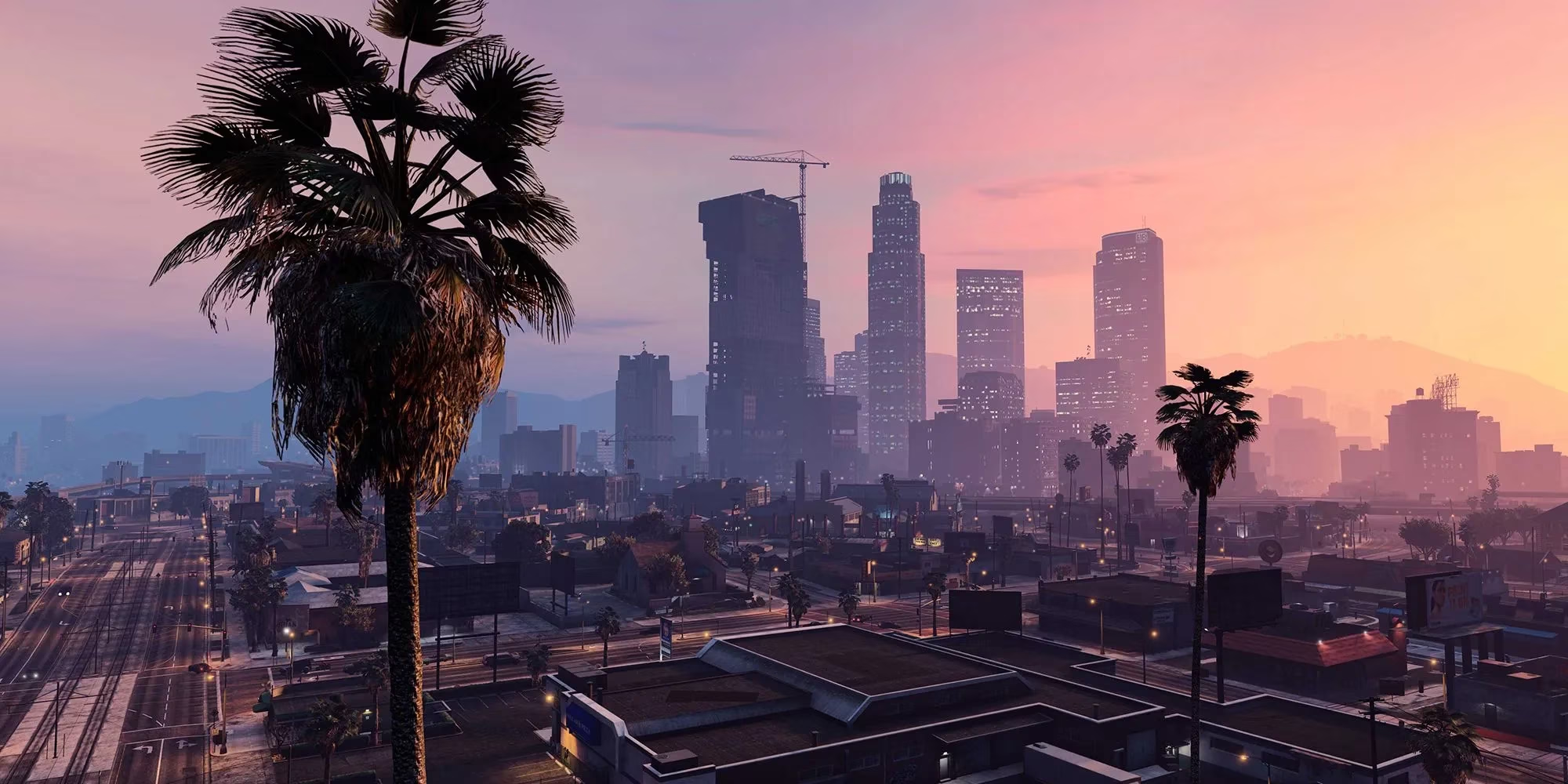
Meanwhile, Grand Theft Auto games create impressive illusions of bustling cities but ultimately rely on visual trickery. How many times have players approached an interesting building only to find it inaccessible? This limitation fundamentally undermines immersion, reducing urban environments to elaborate stage sets rather than believable spaces.
The contrast becomes particularly noticeable when examining:
-
Limited interactivity: Most buildings serve as decorative exteriors only
-
Scripted experiences: Interior access typically occurs only during specific missions
-
Scale compensation: Vast outdoor areas distract from inaccessible urban spaces
-
Repetitive designs: Similar building models reinforce the artificial nature
While GTA Online has expanded interactivity through businesses and properties, the core single-player experience remains constrained by these limitations. The cities feel alive from a distance but reveal their artificial nature upon closer inspection.
Technical Achievement vs. Artistic Vision

Red Dead Redemption's approach demonstrates Rockstar's evolution in open-world design philosophy. The development team prioritized creating cohesive, believable ecosystems over mere visual spectacle. This commitment manifests through:
| Feature | Red Dead Redemption | Grand Theft Auto |
|---|---|---|
| Building Access | Nearly universal | Highly restricted |
| Environmental Details | Extremely dense | Selective concentration |
| NPC Routines | Complex daily cycles | Basic behavioral patterns |
| World Reactivity | Dynamic responses | Scripted events |
This difference reflects more than just technical capabilities—it represents fundamentally different design priorities. Red Dead Redemption seeks to create believable worlds first and gameplay opportunities second, while Grand Theft Auto often reverses this hierarchy.
The GTA 6 Opportunity: Learning from Red Dead's Success

With Grand Theft Auto 6's development underway, Rockstar has the perfect opportunity to bridge this immersion gap. The studio's demonstrated mastery in Red Dead Redemption 2 suggests several potential improvements:
-
Expanded interior access: Making buildings throughout Leonida fully explorable
-
Enhanced environmental storytelling: Applying RDR2's detail density to urban environments
-
Dynamic world systems: Creating cities that feel truly alive through complex NPC behaviors
-
Seamless transitions: Eliminating loading screens between exterior and interior spaces
Could GTA 6 finally deliver the fully realized urban experience that previous entries promised? The technological foundations established in Red Dead Redemption 2 certainly make this achievable.
Why This Distinction Matters for Open-World Gaming
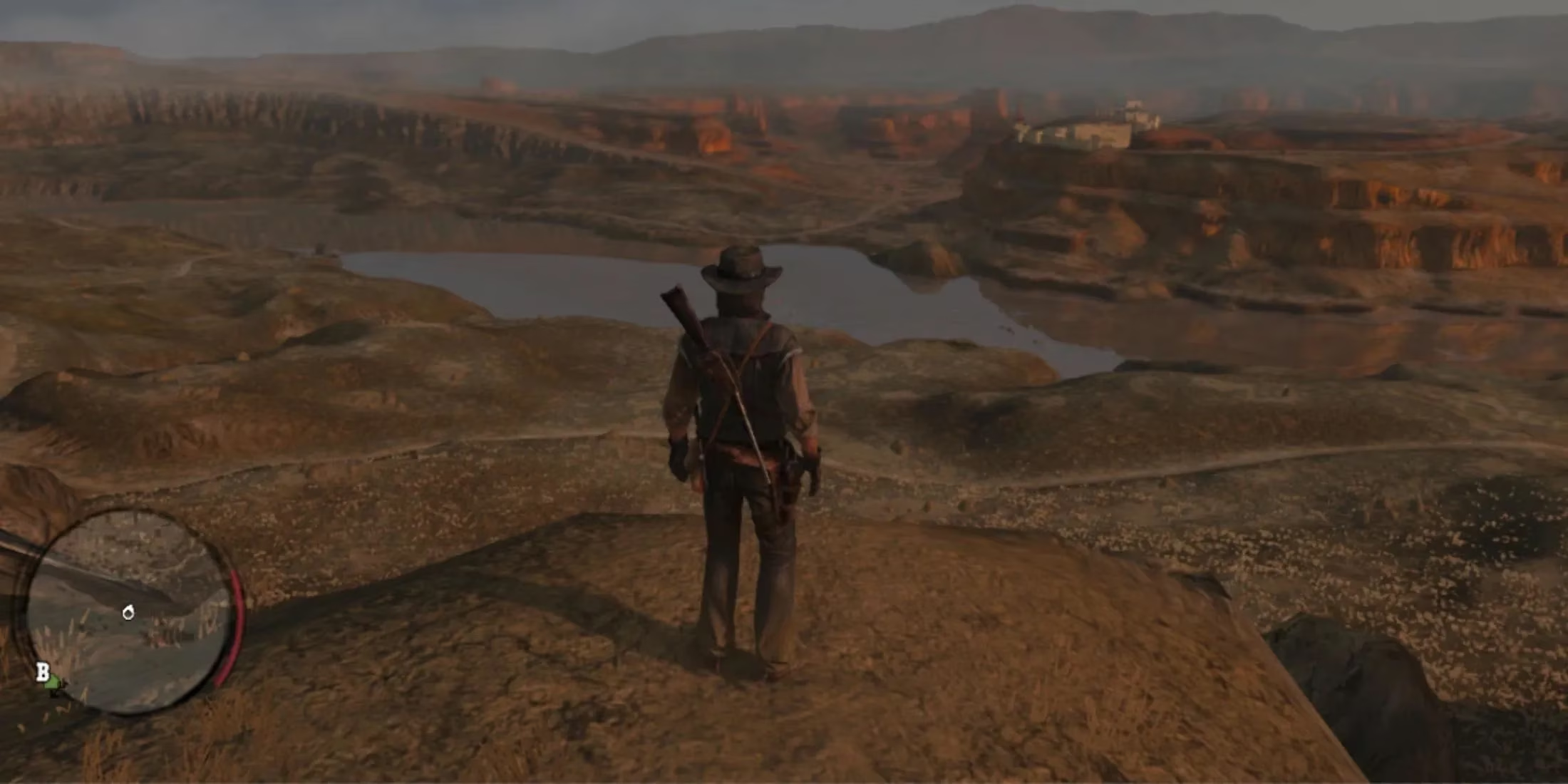
The building accessibility difference represents more than just a gameplay feature—it symbolizes Rockstar's evolving approach to world design. When players can genuinely explore rather than simply observe, several transformative effects occur:
-
Increased player agency: Exploration becomes meaningful rather than superficial
-
Enhanced immersion: Worlds feel tangible rather than theatrical
-
Organic discovery: Players uncover content through curiosity rather than waypoints
-
Emotional connection: Environments become memorable characters themselves
This philosophy has elevated Red Dead Redemption beyond being merely "GTA with horses" to establishing its own identity as a benchmark for open-world authenticity.
The Future of Rockstar's World Design

As Rockstar Games continues pushing open-world boundaries, the lessons from Red Dead Redemption's success will undoubtedly influence future projects. The studio has demonstrated that players value depth and authenticity over sheer scale alone. This realization could reshape not only Grand Theft Auto 6 but the entire open-world genre.
Will other developers follow Rockstar's lead in prioritizing meaningful accessibility over superficial grandeur? The industry trend suggests increasing recognition that believable worlds require more than impressive skyboxes—they demand spaces that players can genuinely inhabit and explore.
Ultimately, Red Dead Redemption's building accessibility represents a philosophical commitment to player immersion that continues setting new standards for interactive entertainment. While Grand Theft Auto excels in other areas, this fundamental difference in world design philosophy ensures Red Dead Redemption remains the superior achievement in creating truly living, breathing game worlds.